Every frameis a display.
A motion-graphics film that believes it was photographed. Every screen in the film is real. Everything on the screens is ours.
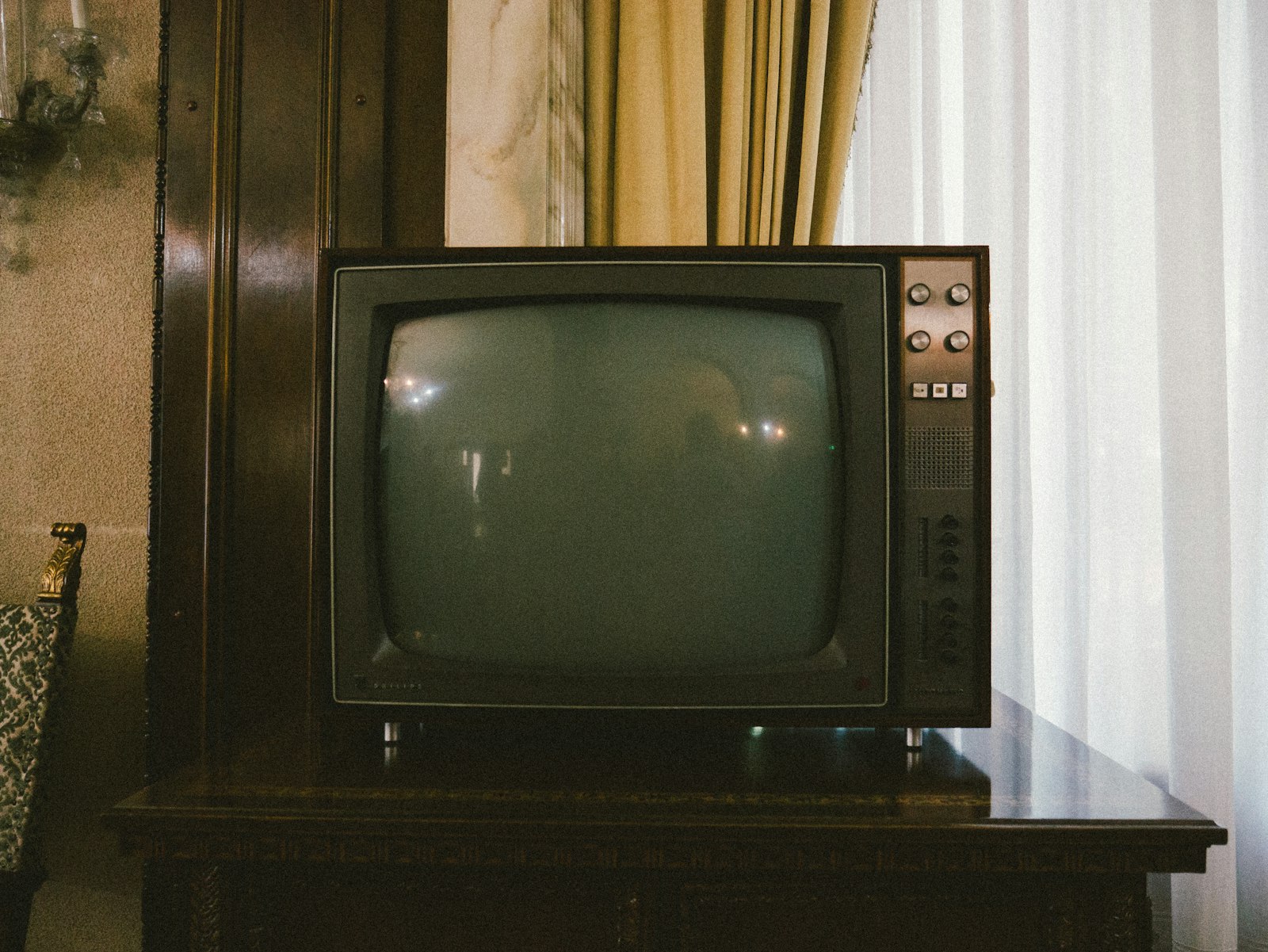
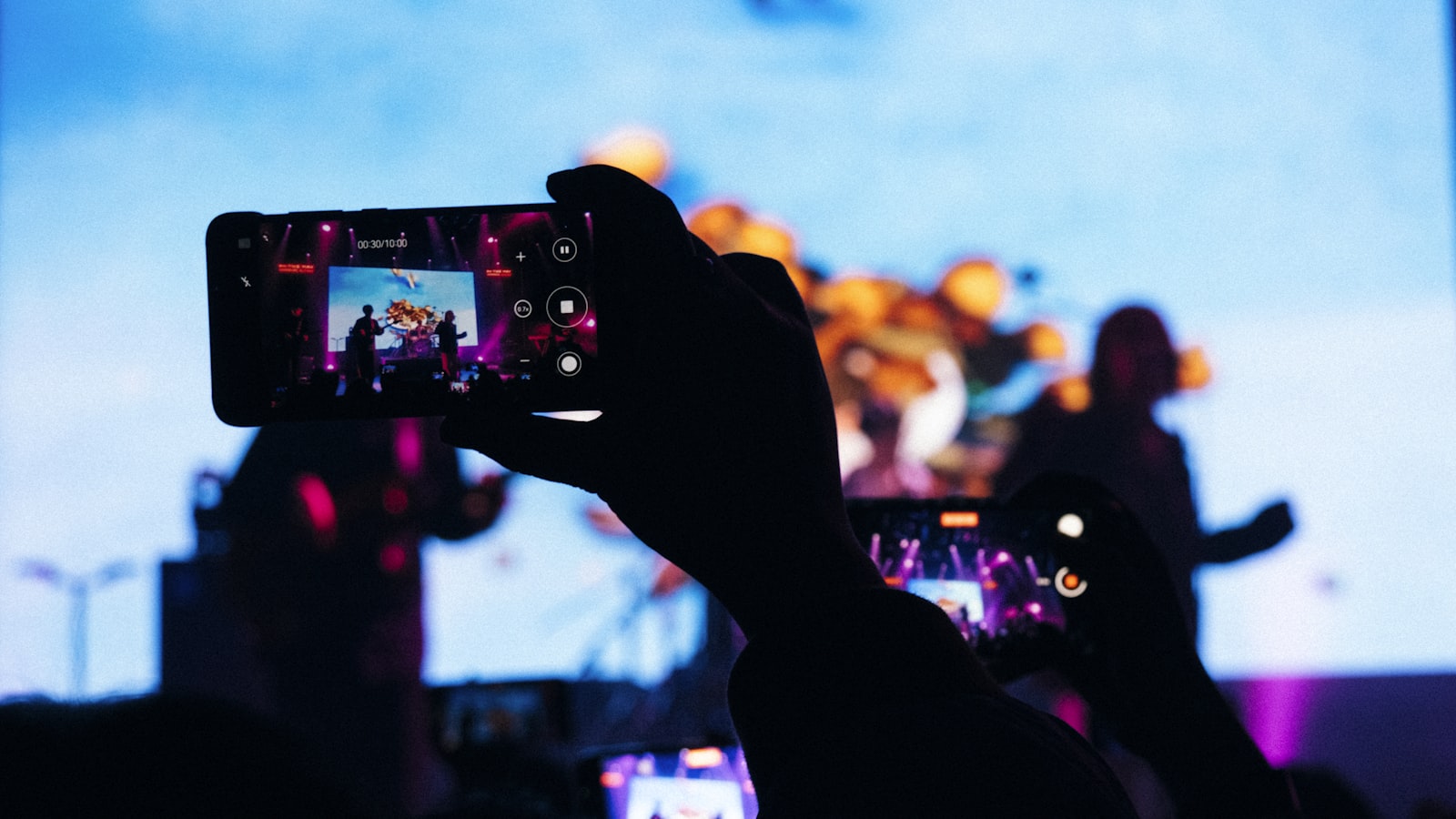
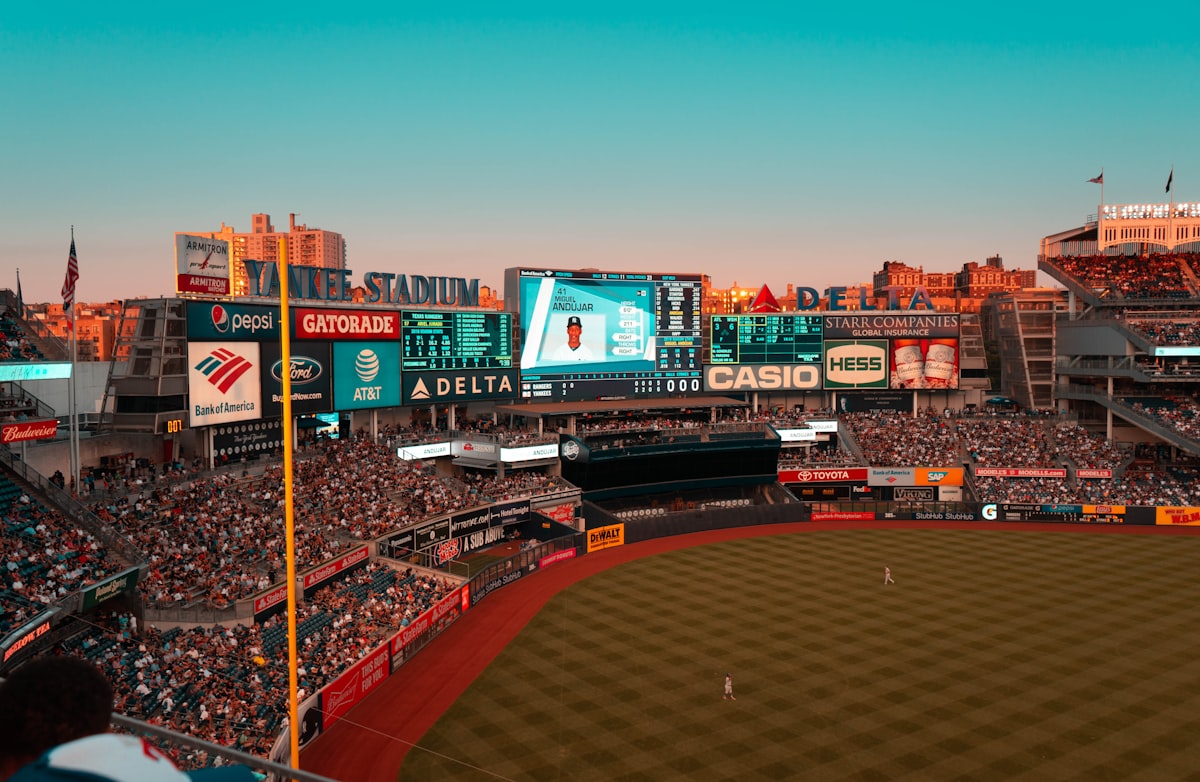
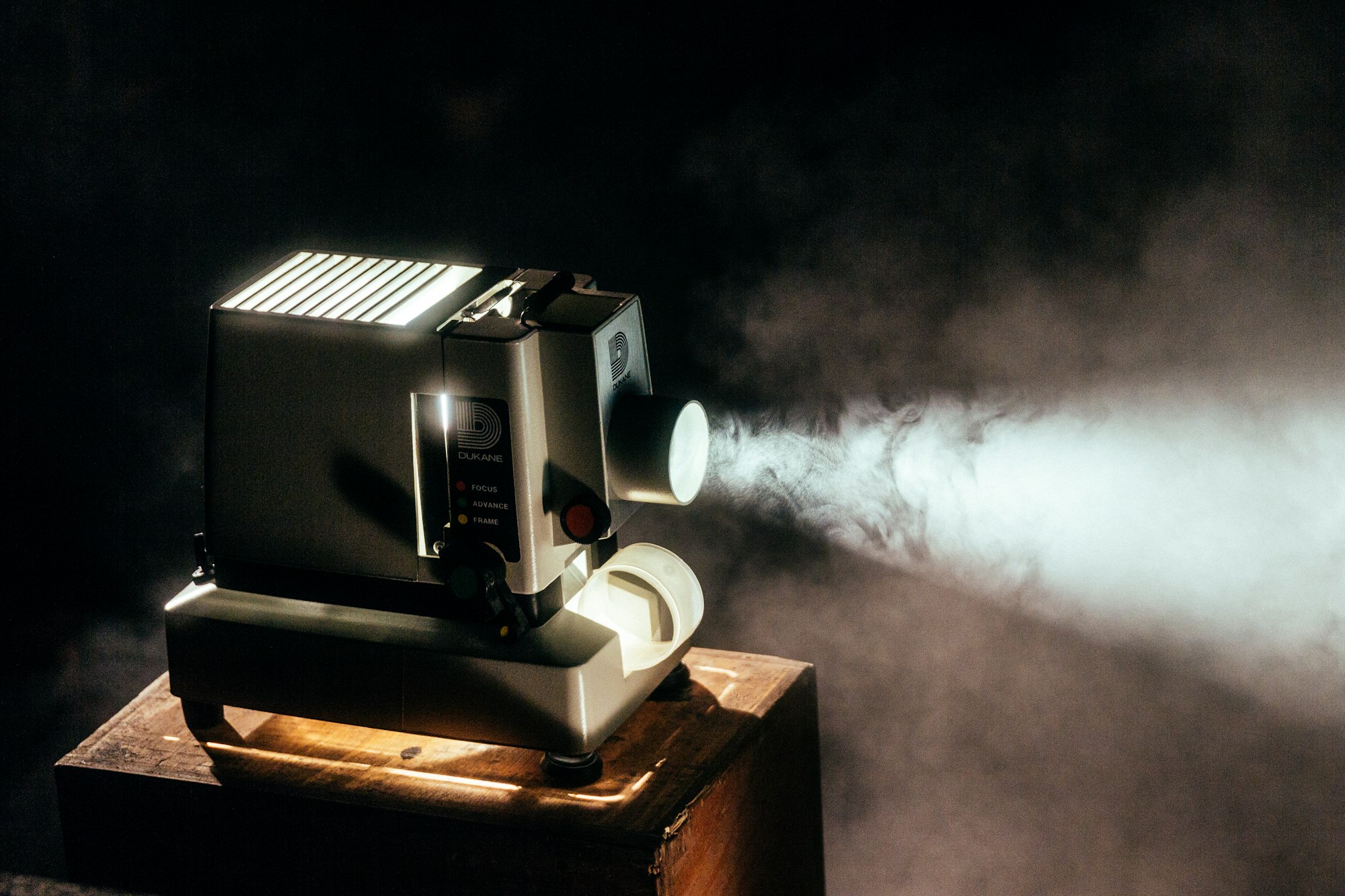
This film has no presenter, no b-roll, no talking heads. Its cast is a century of display technology — nitrate projectors, broadcast CRTs, smartphones, terminals, control rooms — captured (or recreated) as tactile, live-action plates. Our motion graphics never float in a void: they live on the glass, composited photorealistically onto each era's screen.
The sequence of displays is the argument: whoever owns the dominant display owns media. The film walks that lineage era by era — and ends by putting MADCOOL Connect OS at the front of it.
The premise
For a century, reaching an audience meant renting the giants' infrastructure — their picture palaces, their transmitters, their cable boxes. Each time the dominant display changed hands, media changed owners. The smartphone handed the display to creators. The terminal — the first display that creates instead of shows — hands them the means of production.
The film ends on the full lineage laid in one frame: nitrate → CRT → color TV → desktop → phone → Connect OS. The historical displays render in mono; only the last one carries the brand.
Why it feels live-action: because the camera treats these displays as physical objects — glass curvature, dust, phosphor bloom, throw-light, fingerprints — not as vector abstractions. The realism of the plates is what buys the audacity of the claim.
The method
Source the plate
Find or create a live-action-looking shot of the era's display — stock footage, tabletop shoots, or graded AI plates. The device must read as an object in a room: shallow depth, practical light, real wear.
Own the screen
Track and corner-pin our motion graphics onto the display surface. Match keystone, curvature, grain, reflections and spill — the content must inherit the physics of the glass it lives on.
Keep the ink flat
When type or brand surfaces address the audience directly, they leave the world and land print-flat on Newsprint — no glow, no gradient, no shadow, ever. Two vocabularies, never mixed.
Texture lives inside the era frames
Period effects are quotations of historical displays — permitted only on the screens and the world around them.
- Film grain · gate weave · splice jumps
- Scanlines · phosphor glow · CRT bloom
- LED pixel pitch · moiré · handheld shake
Ink lives on the page
Cards, supers, wordmark and UI stay flat: ink on Newsprint. The Scene 7 collapse glow is diegetic phosphor — it dies with the CRT; the wordmark that follows is ink.
- No glow · no gradient · no drop shadow
- Anton cards · Manrope 800 wordmark · Space Grotesk supers
- The two vocabularies never share a lockup
The display timeline
Nitrate & the picture palace
The film opens as a film: academy leader, sprocket flicker, gate weave. Silent-era intertitles carry the first words — “For a century, media belonged to giants.” Synthetic archive silhouettes: studio gate, broadcast mast, tower. On their terms.
Broadcast → cable → satellite
The nitrate frame jams, melts, and tears away to phosphor: film dies, the CRT lives. A channel dial clicks through history — B&W, color, cable box, satellite grid — as one screen multiplies into a wall of streaming tiles and the frame widens to 16:9.
The smartphone
The frame rotates and collapses to 9:16 — ring-light catchlight, REC dot. For the first time in the timeline, the display is handheld, and it points at its owner. The triptych settles onto Newsprint with the stat supers: 2,000+ FAST channels · $81B CTV · $772B creator economy.
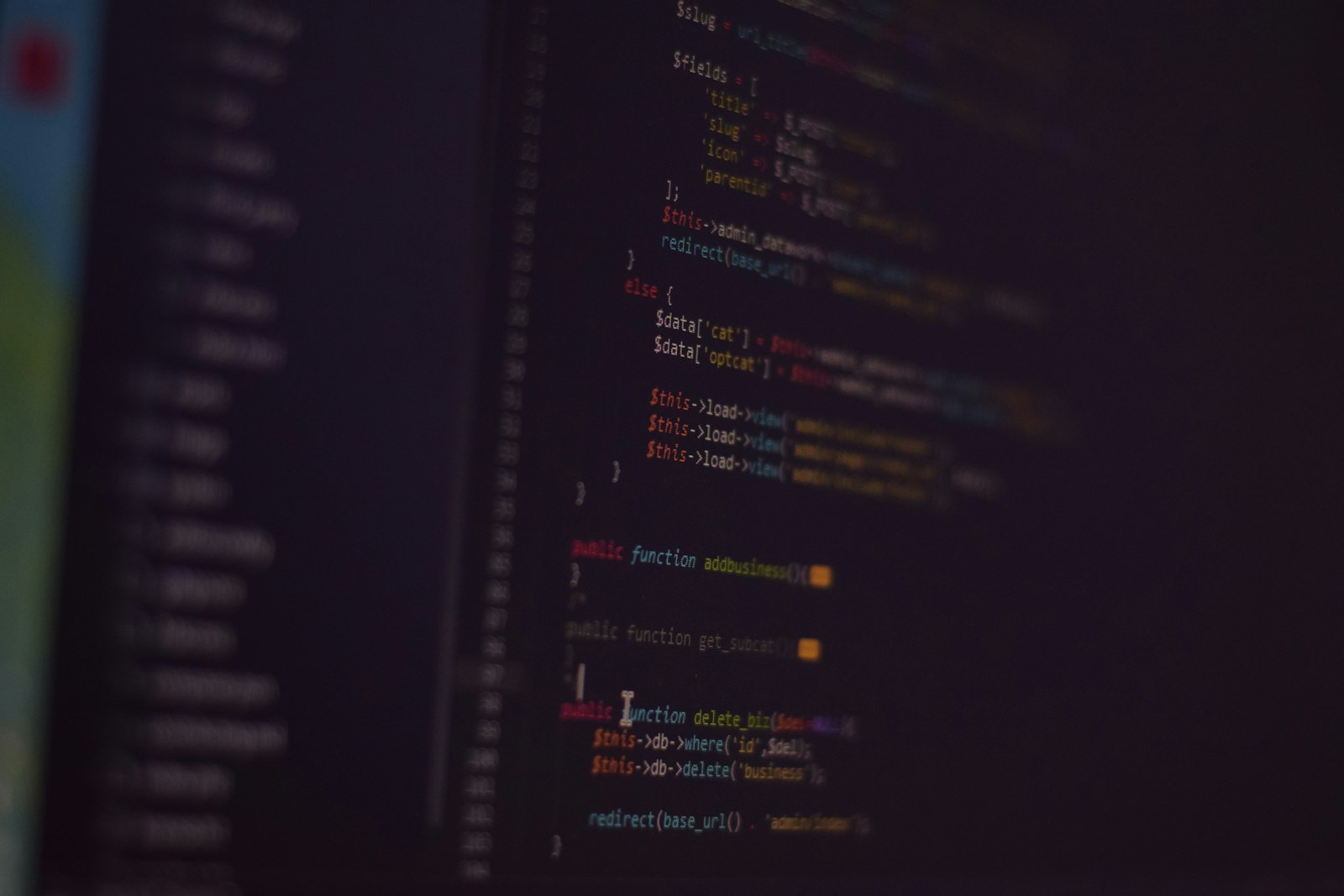
The terminal
Hard cut to black. A blinking cursor — the first display that creates instead of shows. Monochrome glyph cascade (editorial, never Matrix-green), scaffolds compiling at the margins. Then the slingshot beat: the film's single red mark arcs past the giants' monoliths.
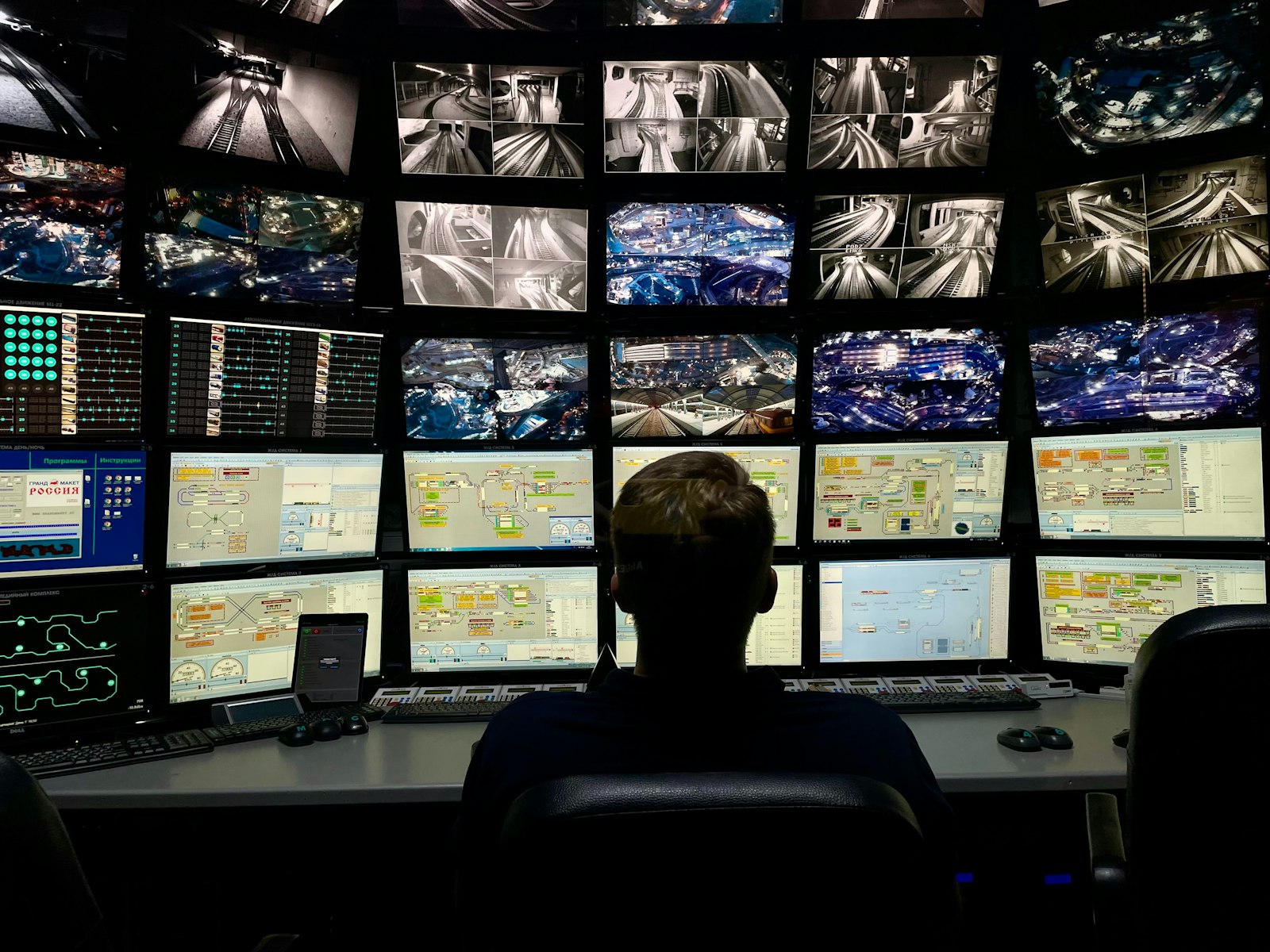
Master control
The giants' native display: many screens, one operator empire — an ops team implied in every tally light. A hairline splits the wall: integrated racks above, duct tape and dangling cables below. The counter decelerates into ~$26B.
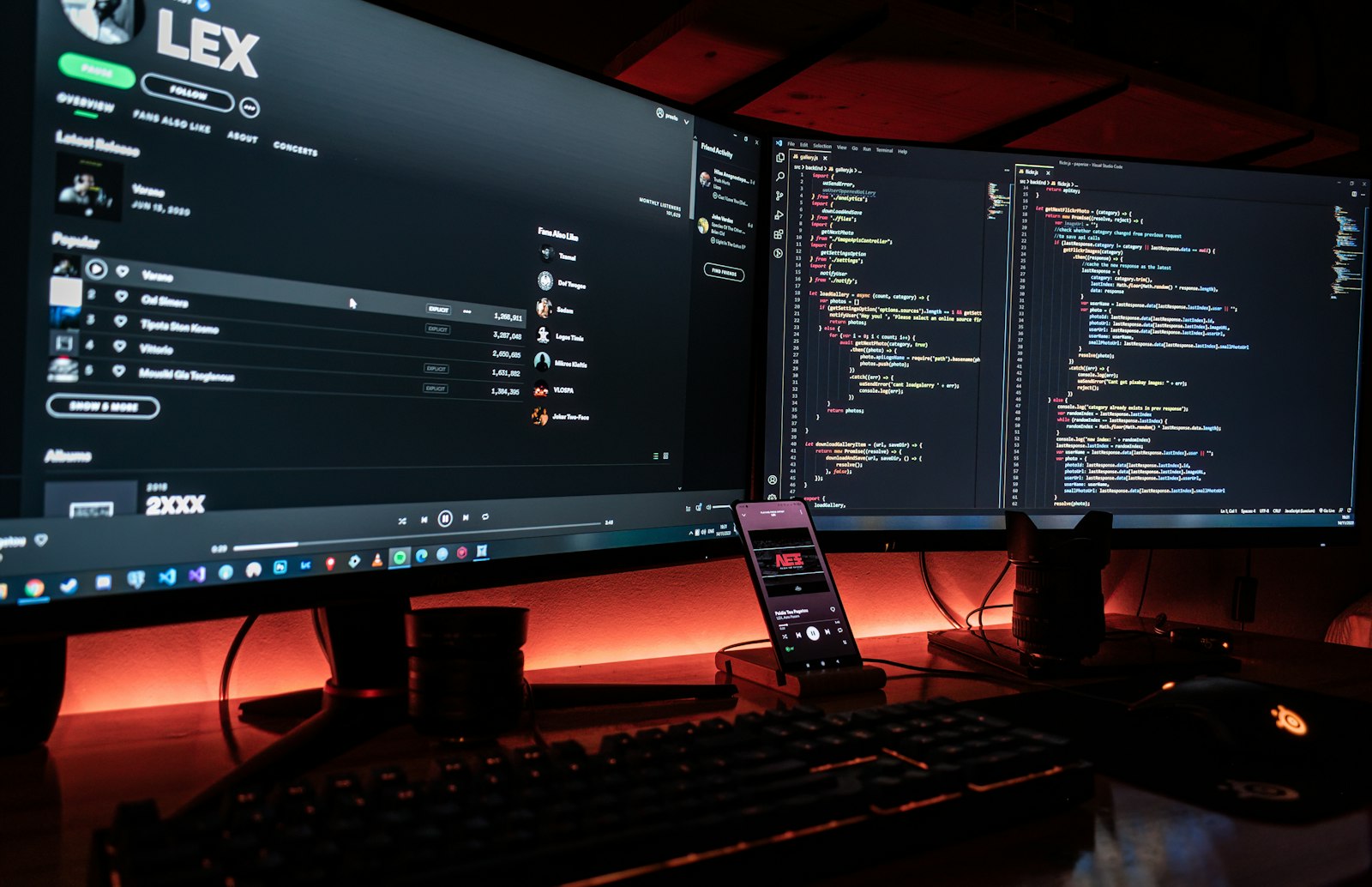
The fragmented desktop
The modern display's failure mode: window chrome stacking on window chrome until the frame is noise. Genericized category tiles — CRM · PM · REVIEW · MAM · RIGHTS · PUBLISH — a notification storm, one asset degrading across four handoffs. Then everything freezes mid-chaos.
The next display
The anti-CRT: flat, printed, calm. One project record travels the lifecycle rail — pitch through analytics — rendered as real UI, editorial-flat on Newsprint. Interactive controls in Action Blue; the greenlight terminal in Forest Green. The reuse is the argument: a second project rides the same rail.
Two designed moments
One geometric arc past the monoliths — never literal, never repeated. Signal Red appears nowhere else outside brand lockups. Interactive UI stays Action Blue; the greenlight terminal stays Forest Green. Discipline is what makes the single red land like a gunshot.
SC 07 — The CRT collapse, inverted. The frozen desktop dies the way a CRT dies: the picture collapses to a bright line, then to a single point — display history's most iconic gesture, repurposed to switch the old paradigm off. The point blooms back not as phosphor but as ink on Newsprint: the wordmark. The glow is diegetic and dies with the tube; everything after it is print.
The system
CONNECT OS
The horizon
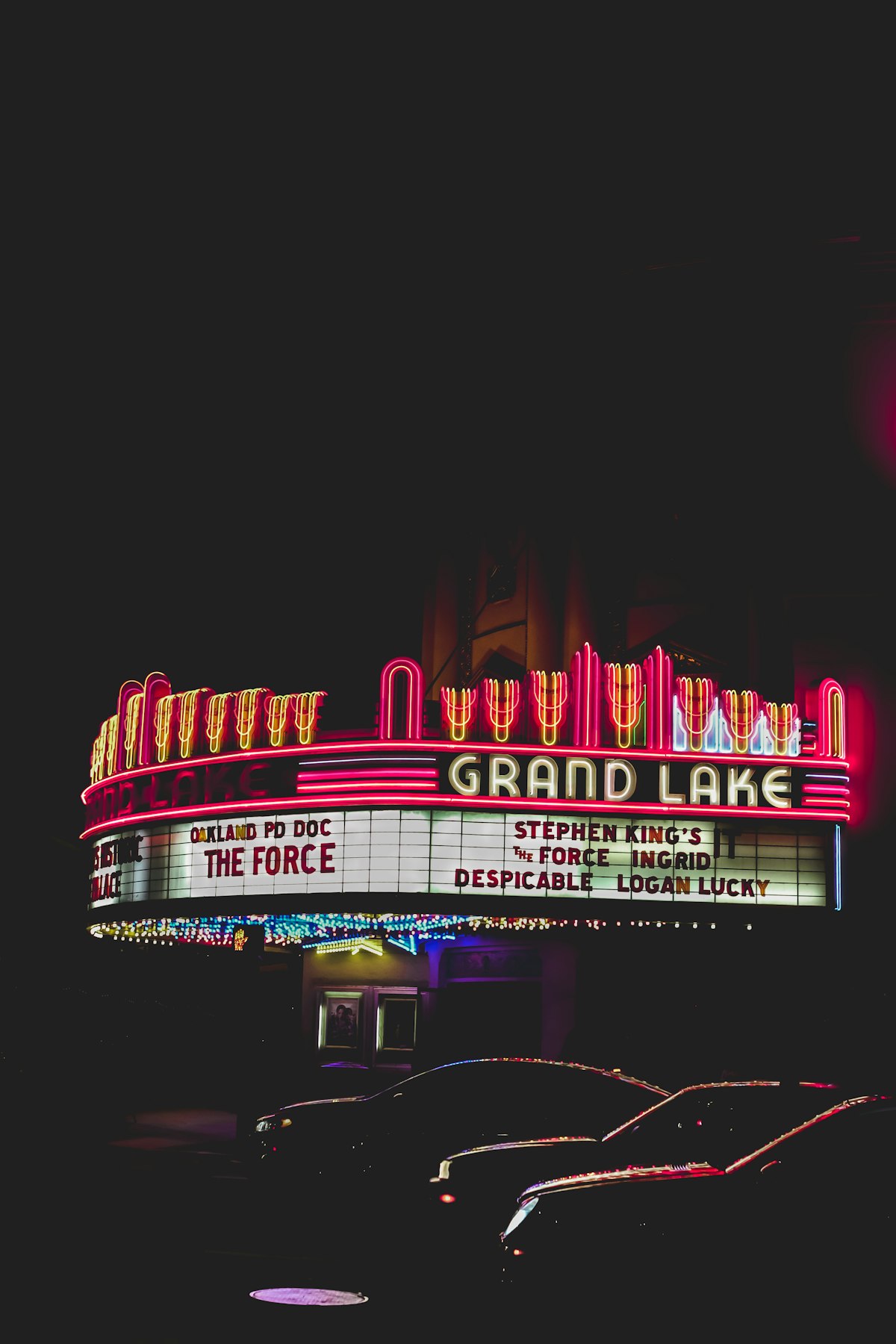
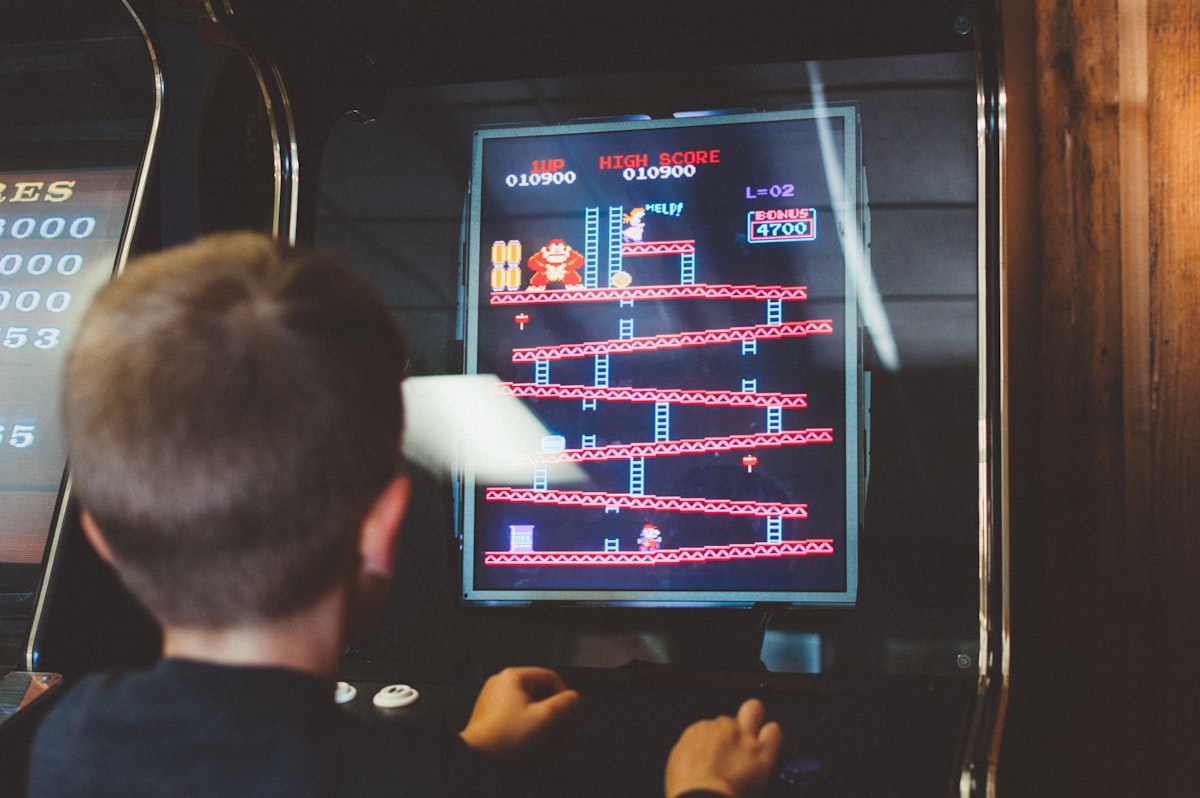
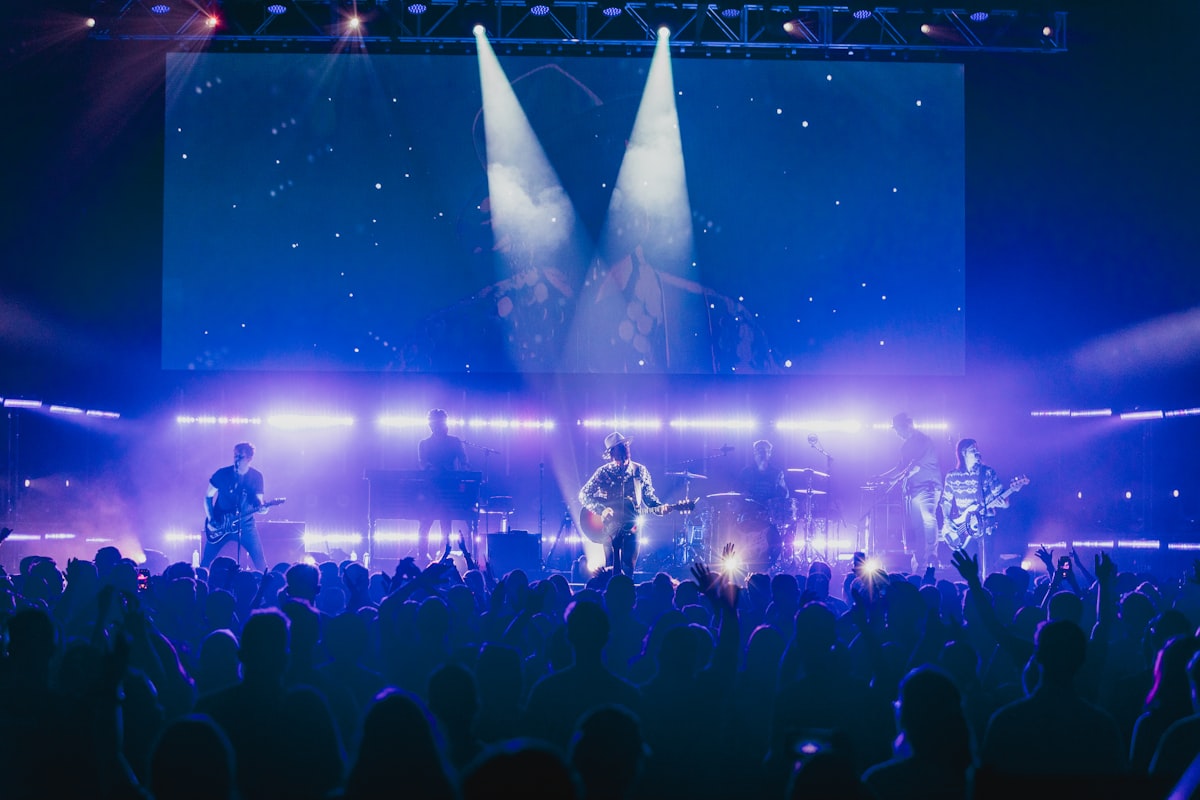
Each vertical's chip is drawn as its native display, miniaturized flat, with one signature micro-animation each: marquee bulb-chase · jumbotron pixel sweep · arcade scanline · LED ripple · kiosk tap-ring. Five global markets. One foundation. $90B.
The build
- GrainLayer
- GateWeave
- ScanlineLayer
- CRTCollapse
- WindowChrome
- DeviceFrame / PhoneFrame
- MonitorFrame
- LifecycleRail
- CounterUp
- EraChip
- Stock plates: license 4K, shallow-DOF display shots
- Tabletop shoot: CRT + projector, practical light
- AI plates: graded to match, photoreal pass QC'd
- Screen comps: corner-pin + track, grade-matched
All supers, numerals, counters and wordmarks render natively, pixel-exact. Figures are props — when a number changes in reconciliation, re-render instead of re-editing.
VO locked at 420 words (v1.5 verbatim). ElevenLabs word-timestamp export drives Sequence offsets; Scene 9 kinetic type animates last, after final takes lock.
Seeded noise on every random driver — grain, badge ticks, window shuffle — so renders are reproducible frame-for-frame.
3840×2160 · 24fps. Period judder simulated inside the timeline, never by changing project fps. Aspect journey happens inside the 16:9 deliverable.
The visual timeline implies an audio timeline: projector motor → CRT hum → notification din → silence → UI. Flagged for the audio pass.